


Crowns & Bridges
Get emergency care for your dental needs.
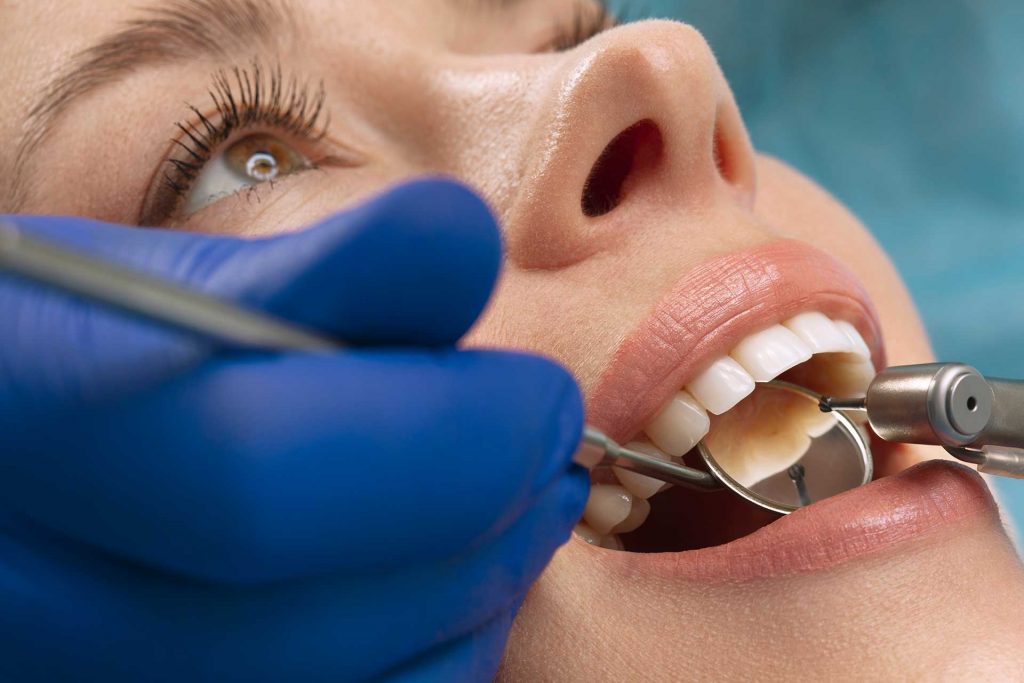
Key Aspects of Re-cementing Crowns & Bridges
Crowns and bridges can occasionally loosen due to wear, biting forces, or changes in the underlying tooth. When this happens, it can affect your bite, cause discomfort, and leave the tooth vulnerable. Re-cementing restores stability, protects the natural tooth structure, and supports normal day-to-day function. Prompt care helps prevent further damage and maintains long-term oral health.
Comfort & Protection
Securing the restoration helps shield the underlying tooth from sensitivity, decay, and further damage.
Function & Stability
A properly re-cemented crown or bridge allows you to chew and speak comfortably without movement or irritation.
Oral Health
Re-cementing prevents debris and bacteria from entering the space beneath the restoration, supporting healthier gums and teeth.
Long-term Care
Regular reviews ensure your crowns and bridges remain secure, helping extend the life of your restorations.
Re-cementing crowns and bridges is an essential part of maintaining dental health
When a crown or bridge becomes loose or detaches, it can affect your bite, cause discomfort, and leave the underlying tooth exposed. Ensuring timely re-cementing helps restore stability, protects the natural tooth, and supports everyday function. Just like any other aspect of oral care, keeping restorations secure is vital for long-term dental well-being.
You may need treatment if the restoration feels loose, has fully come off, causes sensitivity, affects your bite, or traps food around the area.
We provide examinations, X-rays when needed, cleaning of the underlying tooth, precise re-cementing of crowns and bridges, minor adjustments for comfort, and guidance to help protect the restoration.
Typical causes include natural wear, weakened cement, tooth decay beneath the restoration, accidental impact, or biting down on hard foods.
Avoid chewing on the affected side, keep the area clean, and store the restoration safely if it has come off. Temporary dental cement may offer very short-term relief, but professional re-cementing is essential.